Volunteers With Hard Drives: The Underground Race to Save Indie Games Before the Internet Forgets Them
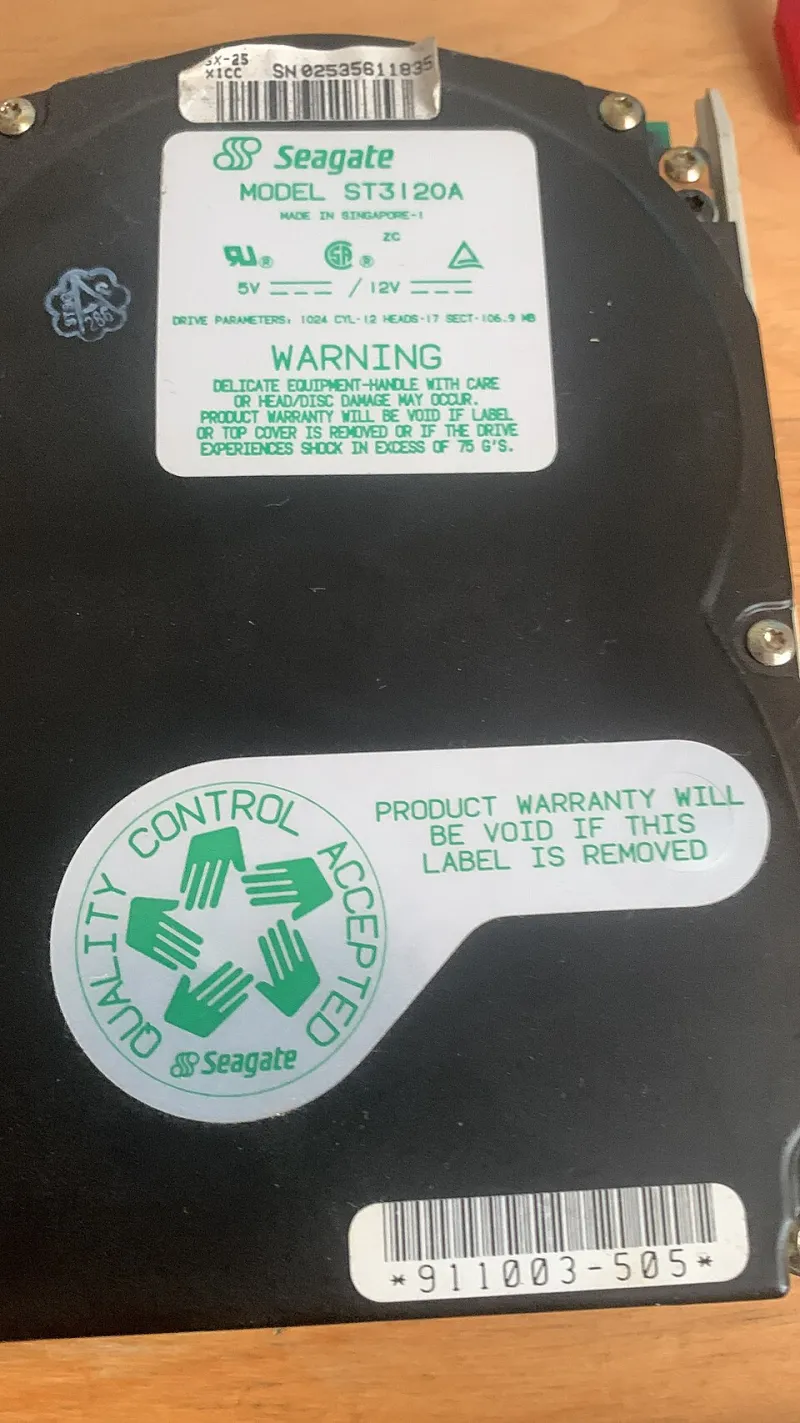
Photo: CodeMaximus XT, CC0, via Wikimedia Commons
The Clock Is Always Ticking
Imagine spending three years building a game. You launch it on a digital storefront, a few hundred people play it, a couple of them leave reviews calling it a hidden gem. Then the storefront shuts down, your domain lapses, and within eighteen months, the only evidence your game ever existed is a broken link and a cached screenshot on a forum nobody visits anymore.
This isn't a hypothetical. It's happening constantly, and it's happening faster than most of us notice.
While big publishers have legal teams, archival budgets, and the cultural weight to keep their back catalogs in circulation, indie developers — especially solo creators and tiny studios from the 2000s and early 2010s — don't have those safety nets. When their storefronts close or their hosting bills go unpaid, their games just... evaporate. And the people working hardest to stop that from happening are largely unpaid volunteers operating out of bedrooms and Discord servers.
What We're Actually Losing
The scale of the problem is genuinely hard to wrap your head around. The original Xbox Live Indie Games marketplace, which hosted thousands of titles from small developers, was shut down in 2017. Many of those games exist nowhere else. GameSpy's multiplayer servers — which powered online modes for hundreds of titles across multiple platforms — went dark in 2014, effectively killing the online components of games that had never been patched to use alternative services.
Then there's the broader indie PC ecosystem. Flash-based games that defined a generation of early internet culture are largely inaccessible without emulation tools, despite projects like Flashpoint working overtime to preserve them. Itch.io and Steam have helped in recent years, but plenty of developers have quietly pulled their own titles for personal or legal reasons, and there's no automatic backup system that catches those removals.
"People think digital means permanent," says one volunteer archivist who runs a preservation database focused on Windows games from the 2000s and early 2010s. "It really, really doesn't. Digital is actually more fragile in a lot of ways, because there's no physical object sitting in a box somewhere that someone might stumble across."
The People Doing the Work
The preservation community doesn't have a central headquarters or a governing body. It's more like a constellation of overlapping projects, each focused on a different slice of gaming history. Some groups concentrate on specific platforms. Others focus on particular eras or genres. A few are trying to build comprehensive databases that catalog metadata — developer names, release dates, descriptions, screenshots — even when the games themselves can't legally be distributed.
The Internet Archive has become something of a spiritual home for a lot of this work, offering hosting and infrastructure that individual volunteers couldn't afford on their own. But the Archive has faced its own legal battles, and the question of what's actually permissible under copyright law when it comes to preserving abandoned software remains genuinely murky.
That legal gray area is one of the biggest friction points in the whole effort. Distributing a game without the developer's permission is technically infringement, even if the developer has been unreachable for a decade and the game is generating zero revenue for anyone. Some archivists work around this by focusing purely on documentation — recording gameplay footage, preserving design documents, collecting developer interviews — rather than hosting the games themselves. Others argue that abandonware has a moral, if not strictly legal, claim to preservation and act accordingly.
"We're not trying to steal from anyone," explains another community member who helps maintain a wiki dedicated to lost multiplayer games. "Most of the developers we're trying to document would actually be thrilled that someone remembered their work. The problem is that the law doesn't really have a category for 'nobody owns this anymore but it still technically exists.'"
Building Databases That Actually Work
One of the quieter achievements of the grassroots preservation scene is the quality of the databases these volunteers have built. Some of them are genuinely impressive — searchable, well-organized, regularly updated, and more comprehensive than anything a casual researcher would expect from an all-volunteer operation.
Projects like the Video Game History Foundation have pushed hard for policy changes that would make preservation work easier at an institutional level, including successful advocacy for DMCA exemptions that allow libraries and archives to access certain classes of software. But the grassroots side of things operates more informally, relying on community knowledge, crowdsourced metadata, and the kind of obsessive attention to detail that only true enthusiasts bring to a project.
The challenge is discoverability. A lot of this work exists in corners of the internet that casual players never encounter — specialized forums, niche subreddits, Discord servers with a few hundred members. Building something that's actually usable by researchers, journalists, or just curious players requires a different kind of effort than simply hoarding files, and not every preservation project has made that leap.
Why This Actually Matters
It's easy to frame game preservation as a niche concern — something for hardcore collectors and historians, but not really relevant to how most people engage with gaming. That framing misses something important.
Independent games have been some of the most formally interesting and culturally significant work in the medium over the past two decades. Games like Passage, Dys4ia, and hundreds of less-celebrated titles explored ideas and experiences that mainstream publishers wouldn't touch. Losing those games isn't just a inconvenience for collectors — it's a genuine gap in the cultural record, a missing chapter in the story of what games can do and who gets to make them.
There's also a practical accountability dimension. When a game disappears, so does the ability to evaluate it critically, to understand its context, or to trace how ideas moved through the indie scene. Preservation is how creative communities learn from their own history.
"If we only save the games that were commercially successful, we're telling a really distorted story about what this medium was," says one archivist. "The weird stuff, the experimental stuff, the stuff that five hundred people played — that's actually where a lot of the interesting history lives."
What You Can Do
If this work resonates with you, there are real ways to plug in. The Video Game History Foundation accepts donations and has clear information about how funds get used. The Internet Archive's software collection benefits from both financial support and volunteer digitization efforts. Smaller community projects often just need people willing to document games, track down developers for interviews, or help organize existing data.
And honestly? If you made a small indie game ten years ago and you still have the files — reach out to a preservation project. Let someone know it exists. That might be the most important step of all.
The games worth saving aren't always the ones anyone's heard of. Sometimes the most important thing is just making sure someone remembers they were real.