Clicks, Communities, and Clout: How Independent Streamers Became the Tastemakers of Modern Gaming
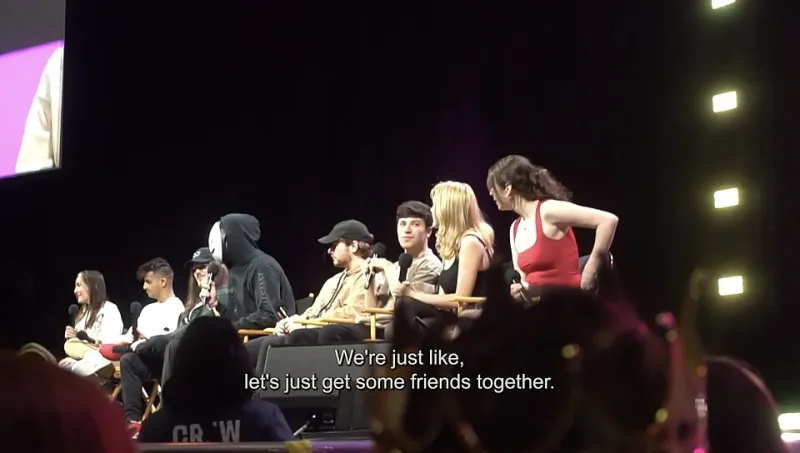
Photo: MGXINE, CC BY 3.0, via Wikimedia Commons
Not too long ago, if a game wanted to matter, it needed a publisher with deep pockets, a shelf at GameStop, and maybe a review score from a major outlet. That pipeline still exists, sure — but it's no longer the only road to relevance. These days, a single streamer with the right audience and the right timing can turn an unknown title into a phenomenon overnight. And that shift is reshaping the entire ecosystem of gaming culture in ways that nobody fully saw coming.
The New Power Brokers
When Among Us exploded in 2020, the game was actually two years old. InnerSloth had built it, released it quietly, and nearly moved on. What changed everything wasn't a marketing campaign — it was a handful of streamers on Twitch picking it up during pandemic lockdowns. Within weeks, the game went from a few thousand daily players to tens of millions. No publisher push. No massive ad spend. Just creators and their communities.
That moment wasn't a fluke. It was a preview of how the industry actually works now.
"The audience trusts us more than they trust a trailer," says Maya Chen, a mid-tier Twitch streamer based in Austin who focuses on indie and horror titles. "When I pick up a game and I'm genuinely losing my mind over it, people feel that. They know I'm not being paid to say it's good."
Maya has about 85,000 followers — not a megastar by any measure — but when she spent three consecutive streams playing Dredge earlier this year, the game saw a measurable spike in sales. The developer reached out to thank her. No formal deal, no sponsorship. Just organic enthusiasm doing what algorithms and ad budgets sometimes can't.
Communities Built Around People, Not Products
Here's what's fundamentally different about the streaming era: fans aren't just loyal to games anymore. They're loyal to people. A streamer's community will follow them into almost any game they touch, which means the streamer — not the studio — holds the relationship.
That's a wild inversion of how things used to work. Publishers spent decades building brand loyalty. Nintendo fans, PlayStation loyalists, PC master race devotees — identity was tied to platforms and franchises. Now a significant chunk of the gaming audience defines itself around a creator's taste and vibe.
Derek "Volt" Washington, a variety streamer out of Atlanta with a channel that's grown from 12,000 to over 200,000 subscribers in under two years, describes it plainly: "My community doesn't care what game I'm playing as long as I'm playing it. They're there for the experience we create together. The game is almost the setting, not the main event."
For indie developers, this is both thrilling and terrifying. The right streamer co-signing your game can mean everything. The wrong one — or worse, no coverage at all — can doom a project that might otherwise have found its audience.
The Economic Ripple Effect
The money side of this gets complicated fast. When a streamer blows up a game, who benefits? The developer, obviously — at least in the short term. But the creator who drove those sales often sees nothing beyond whatever ad revenue or donations their stream generated that night.
Some studios have started formalizing relationships with creators through affiliate programs and sponsored streams, but the ethics get murky quickly. Audiences are savvy. They can smell a paid promotion, and if a streamer's authentic voice gets replaced by talking points, the trust erodes fast.
"I've turned down deals that would've paid really well because the game wasn't something I'd actually play," Maya admits. "Once you lose that credibility, you can't buy it back."
On the flip side, established studios have started dedicating serious resources to creator relations — sending early access copies, building in streaming-friendly features, and designing games with "clip-able" moments that are almost engineered to go viral. It's a new kind of marketing, and the smarter studios are leaning into it hard.
For the streamers themselves, the economics are still pretty rough unless you're in the top tier. Most mid-size creators are stitching together income from subscriptions, donations, brand deals, and merch — a hustle that looks glamorous from the outside but involves a lot of grinding with no guaranteed payoff.
Breakthrough Moments That Wrote History
Beyond Among Us, there's a growing catalog of games that owe their cultural footprint almost entirely to streaming. Hades built a devoted fanbase through creator playthroughs before it even left early access. Fall Guys became a summer obsession in 2020 largely because watching other people fail spectacularly is peak entertainment. Lethal Company, a scrappy indie horror title, turned into a multiplayer sensation almost exclusively through streamer word-of-mouth.
Each of these moments shares a common thread: the game offered something that was fun to watch, not just fun to play. That's a design consideration that's becoming as important as gameplay mechanics for developers thinking about the streaming age.
What This Means for the Community
At HH Targ, we're all about the grassroots side of gaming culture — the communities that form organically, the passion projects, the people who care about the medium for the right reasons. And honestly? The streamer economy, for all its messiness, is one of the most community-driven things happening in gaming right now.
It's not perfect. There are real concerns about creator burnout, the sustainability of the hustle, and whether the influence dynamic can be exploited in ways that harm audiences. But at its best, it's a direct line between players and the games that genuinely deserve attention — no corporate middleman required.
The gatekeepers didn't disappear. They just moved to a streaming platform near you.