Press Start, Hold the Booze: Inside America’s Alcohol-Free Gaming Nights

Photo: Nenad Stojkovic, CC BY 2.0, via Wikimedia Commons
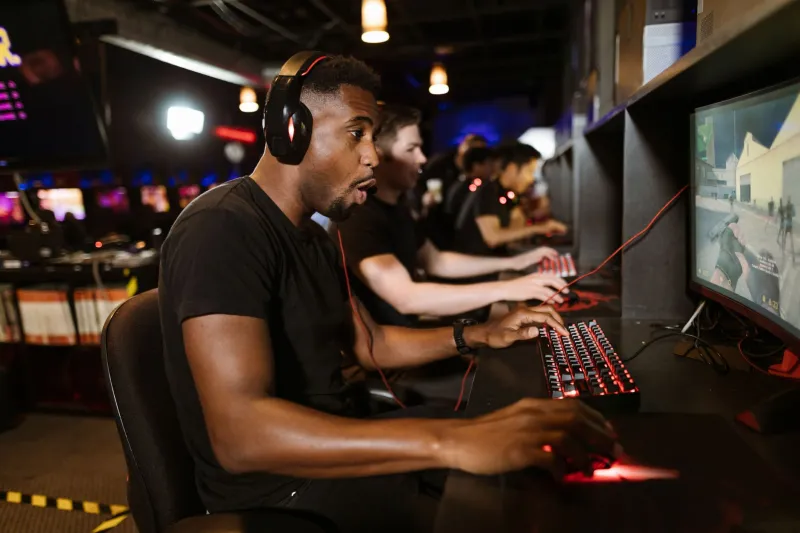
On a Friday night in Columbus, Ohio, the loudest sound in the room is not a cash register. It’s a controller clacking against a folding table, a group of strangers yelling at a Mario Kart finish, and someone behind a card table shaking a mocktail shaker. The event is a LAN night, but there’s no bar, no drink minimum, and no pressure to order anything. Just consoles, board games, and a room full of people who came to play.
That setup is becoming more common across the US. Volunteer organizers are turning rec centers, church halls, game stores, and library meeting rooms into alcohol-free gaming nights. Some are aimed at people in recovery. Others are for anyone who wants a social life that doesn’t revolve around a bar tab. The common thread is simple: the game is the main event.
The Third Place Problem
Gaming has always had a social side, but the default venues haven’t always been welcoming to everyone. A sports bar with a few arcade cabinets can be fun. It can also be expensive, loud, and awkward for people who don’t drink, are under 21, are watching their budget, or are trying to stay sober. For parents, students, and people in recovery, a Friday night that starts with a bar menu can be a nonstarter.
Alcohol-free game nights offer something else: a third place that isn’t home and isn’t work or school. Organizers say the point is not to be anti-alcohol. It’s to make room for people who want to socialize without it.
At a monthly meetup in a Columbus rec center, the setup is intentionally low-key. There are two TVs with consoles, a table for board games, a quiet corner with puzzles, and a mocktail station stocked with soda, juice, and fruit. Admission is free, though donations help cover snacks. Volunteers wear simple badges that say host, and they’re trained to watch for anyone standing alone.
How the Nights Actually Work
The formats vary. Some are classic LAN parties with PCs and monitors. Others are tabletop nights with dice and card games. A few mix both. What they share is a focus on structured icebreakers and low-stakes play.
At a church hall in Kansas City, organizers start with a fifteen-minute welcome circle. Newcomers can say as much or as little as they want. Then people split into groups based on what they want to play, not skill level. A volunteer stays at a welcome table to help people find a match. There’s a quiet room with dim lighting and no screens for anyone who needs a sensory break.
Accessibility is part of the planning, not an afterthought. Organizers ask about food allergies, mobility needs, and noise sensitivity on the sign-up form. They label controllers and keep spare chargers. They use captions when games support them. They avoid scheduling every activity in one loud room. And they make it clear that stepping out for a while is fine.
The social rules are just as important. No one is pressured to share why they’re not drinking. Mocktails are not called fake cocktails. The event is not framed as a recovery meeting, unless it specifically is one. That distinction matters. An alcohol-free night can be a social space, not a treatment program.
The Rules That Make It Work
The best events have a few non-negotiables. No alcohol on site. Clear signage. Sober hosts. A no-harassment policy that’s actually enforced. And a plan for what happens if someone shows up intoxicated.
Some organizers partner with local recovery groups, but they don’t require attendees to be in recovery. Others work with libraries or parks departments to keep costs down. Game stores sometimes host in exchange for a small snack-bar cut or a donation jar. The point is to keep the barrier to entry low.
Budgeting is not glamorous, but it matters. A basic setup can run on donated consoles, borrowed tables, and a small snack budget. Insurance and venue rules can be the biggest hurdles. Organizers recommend starting with a partner organization that already has a space and a safety plan.
A Playbook for Your Town
If you want to start an alcohol-free game night, start small. Pick a venue you can afford and a date you can repeat. Rec centers, libraries, church halls, and game stores are good first calls. Ask about tables, outlets, Wi-Fi, and closing time. Then build a simple plan.
- Define the audience. Is this for recovery circles, families, students, or anyone? Be clear in your promotion.
- Set the rules. No alcohol, no harassment, no pressure. Post them at the door and online.
- Recruit two or three volunteers. One person should be at the welcome table, one should float, and one should handle setup and teardown.
- Plan for quiet space. A side room or a corner with chairs and no music can make the night work for more people.
- Keep it free or cheap. Donations are fine, but a cover charge can defeat the purpose.
- Ask for feedback. After the first night, send a short survey. Ask what felt welcoming and what didn’t.
The payoff is not complicated. People stay longer. They learn names. They come back. In a country where loneliness is a public health issue and going out often means spending money, a room full of consoles and mocktails can feel like a small act of resistance.
No bar tab required.