Fix It, Don't Trash It: The Community Repair Crews Rescuing Gaming Hardware One Controller at a Time
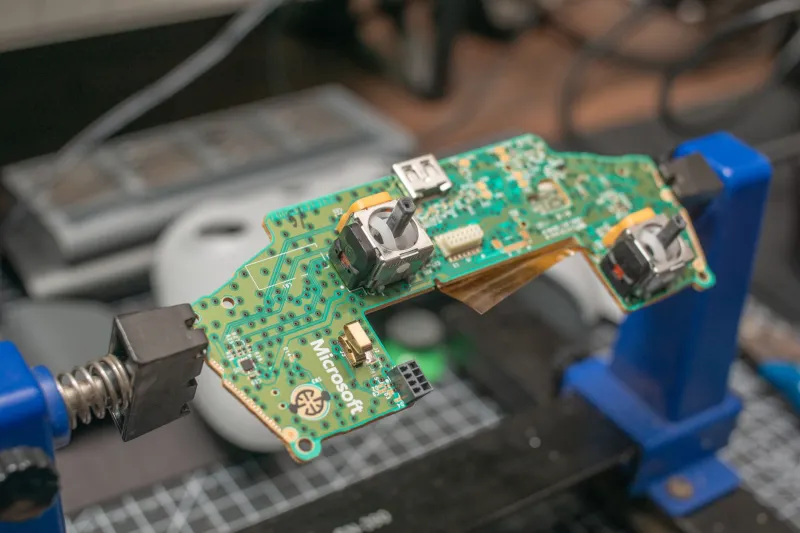
Somewhere in a church basement in Columbus, Ohio, a teenager is learning to resolder a trigger mechanism on a busted Xbox controller. Across town, a retired electrician is walking a group of college kids through the finer points of thumbstick calibration. And in a garage outside of Boise, a small crew of self-taught repair enthusiasts just fixed their hundredth controller of the year — most of them donated, repaired for free, and handed back to kids who couldn't afford a replacement.
This is what the grassroots hardware repair movement looks like in 2024. It's not flashy. It doesn't have a PR team. But it's growing fast, and the people inside it will tell you it's about a lot more than just saving a few bucks on a new gamepad.
The Problem Nobody Wants to Talk About
Let's be real about something: gaming hardware has a durability problem. Drift — that maddening phenomenon where your thumbstick registers movement even when you're not touching it — has become almost a rite of passage for modern console owners. Nintendo Switch Joy-Cons developed a reputation for it almost immediately after launch. PlayStation 5 DualSense controllers followed. Xbox controllers, while generally holding up better, aren't immune either.
The official solution? Buy a new one. Controllers retail anywhere from $50 to $80 depending on the platform, and the big manufacturers aren't exactly rushing to offer affordable repair services. Nintendo's out-of-warranty repair estimates have historically run nearly as high as just replacing the thing outright. For a single adult gamer, that's annoying. For a family with three kids all sharing a console, it can be genuinely unaffordable.
That's the gap the repair collectives are stepping into.
Community Workbenches and Open Doors
The format varies from city to city, but the core idea is usually the same: a shared space, some donated tools, a handful of people who know what they're doing, and an open invitation for anyone who wants to learn.
Some collectives operate out of makerspaces or community centers. Others run out of local game shops that have decided to expand their identity beyond just selling things. A few are entirely informal — a group chat, a rotating host location, and a shared toolbox that lives in someone's trunk.
What they tend to have in common is a strong teaching ethos. The goal isn't just to fix your controller for you. It's to show you how it works, explain what went wrong, and make sure you could handle it yourself next time. That knowledge-sharing piece is central to how most of these groups see their mission.
Replacement thumbstick modules — the most common fix for drift — typically cost between two and five dollars online. The repair itself takes maybe twenty minutes once you know what you're doing. The collectives are essentially closing the gap between that cheap part and the person who needs it, by providing the tools, the space, and the know-how.
More Than a Quick Fix
But spend any time talking to the people running these collectives and you start to realize the hardware repair angle is almost secondary to what they're actually building.
Teaching someone to open up a controller and fix it themselves does something to their relationship with technology. It demystifies the object. It builds confidence. It introduces concepts — basic electronics, fine motor work, component identification — that translate into real skills. Several collectives have started partnering with local schools or workforce development programs, recognizing that what they're doing informally maps pretty neatly onto technical education.
There's also a sustainability angle that a lot of members care deeply about. Gaming hardware waste is a real and largely underreported issue. Millions of controllers, headsets, and accessories end up in landfills every year, many of them broken in ways that cost almost nothing to fix if you have the knowledge. The repair movement is, in its own small way, pushing back against a consumer culture that treats hardware as disposable.
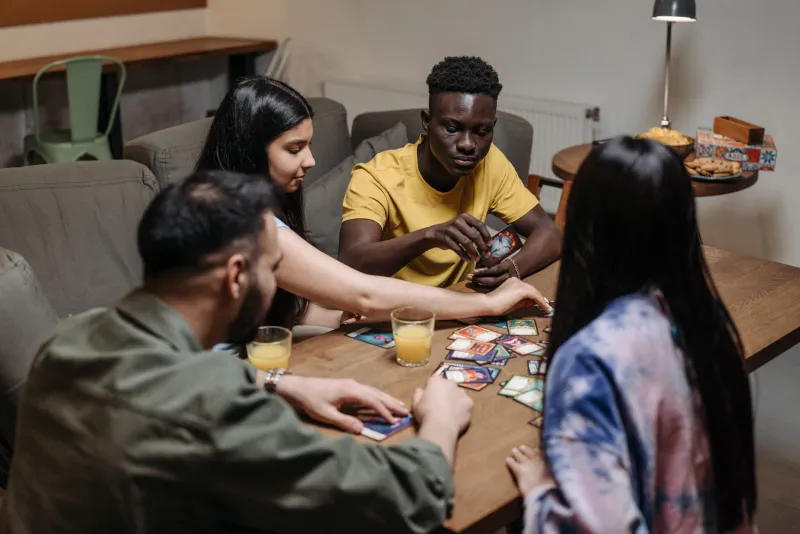
And then there's the community piece, which honestly might be the whole point. These repair nights have a way of turning into something more. People stick around. They bring their collections to show off. They argue about which console era had the best build quality. They make friends. In an era when gaming culture can sometimes feel like it's being driven entirely by algorithm and corporate IP, there's something genuinely refreshing about a group of people sitting around a folding table arguing about the correct way to clean a potentiometer.
The Modding Pipeline
For a significant chunk of participants, basic repair is just the entry point. Once you've cracked open a controller and fixed a drift issue, the next question is almost inevitable: what else can I do in here?
The answer, it turns out, is quite a lot. Custom button layouts. Swapped shells in any color you can imagine. Hair-trigger mods. Accessibility modifications for players with limited hand mobility. Some collectives have developed specialties — a group in Austin has built a reputation for accessibility-focused builds, while a collective in Chicago focuses heavily on fight stick construction and modification for the local FGC scene.
This modding pipeline has created an interesting dynamic where the collectives function almost like informal apprenticeship programs. Someone comes in with a broken controller, learns to fix it, gets curious about mods, starts helping teach others, and eventually becomes one of the people running the sessions. The community reproduces itself.
What It Costs (Almost Nothing)
One of the more remarkable things about this movement is how low-barrier it tends to be. Most collectives either charge nothing or ask for minimal donations to cover supplies. The tools — a good set of Torx and tri-wing screwdrivers, some tweezers, a basic soldering iron, flux, solder — represent a one-time investment that gets shared across everyone who shows up.
The knowledge is freely given. The space is usually borrowed. The whole operation runs on the kind of mutual aid logic that feels increasingly rare in a hobby that's been aggressively monetized from every angle.
That's not an accident. Most of the people organizing these collectives are pretty explicit about the fact that they're building an alternative to the corporate replacement cycle — not just economically, but culturally. The message is that your hardware is yours to understand, yours to fix, and yours to make your own.
Finding Your Local Crew
If this sounds like something you want to be part of, the best starting point is usually your local makerspace or community game shop. Discord servers organized around local gaming scenes often have channels dedicated to hardware and repair. Subreddits focused on specific platforms — r/JoyConDrift was practically a founding document for this whole conversation — can point you toward resources and communities.
And if there's nothing in your area? These collectives are almost universally started by one or two people who decided to just do the thing. A folding table, a soldering iron, and a willingness to share what you know is genuinely enough to get started.
The controllers are waiting.