When the Servers Go Dark: How Everyday Fans Became the Last Line of Defense for Gaming's Disappearing History

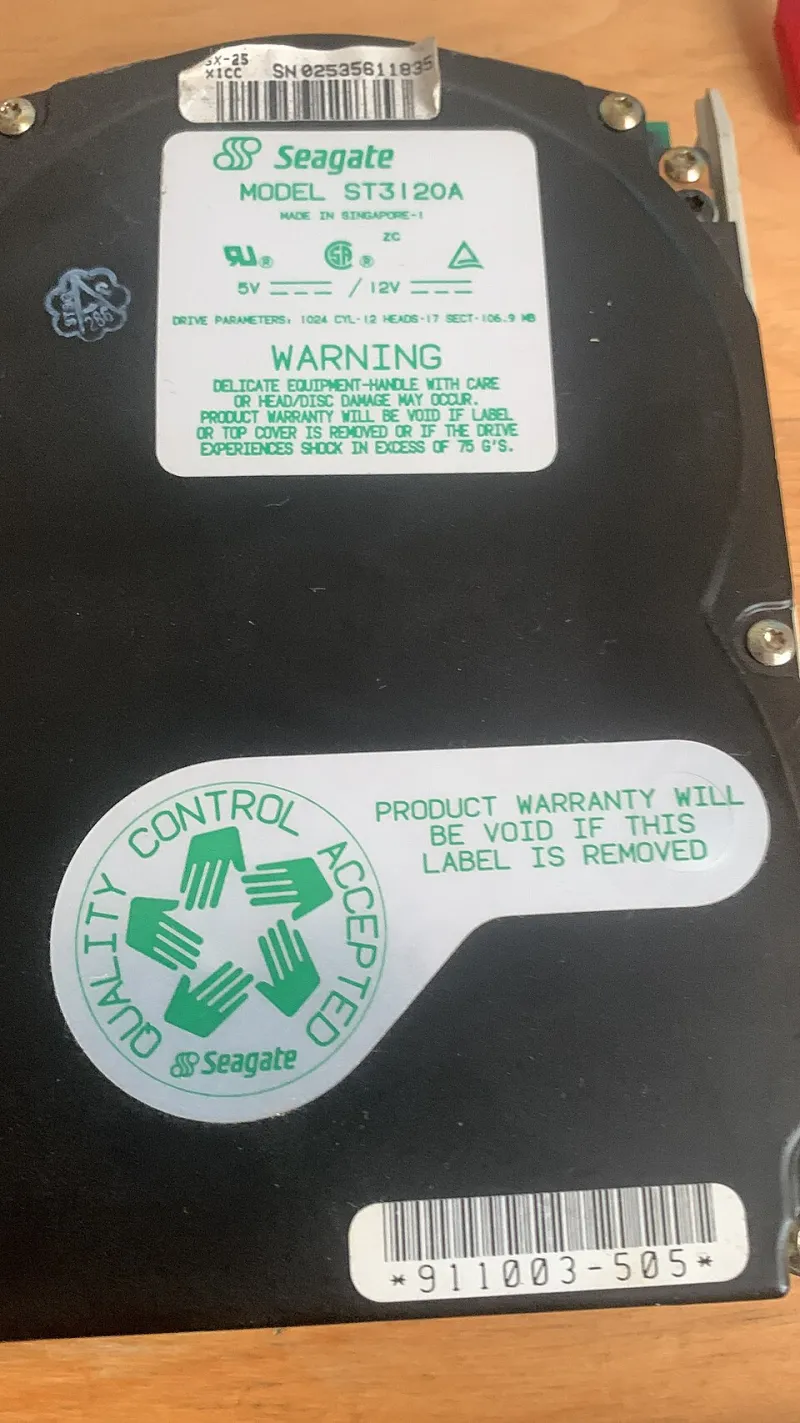
Photo: Frank Schwichtenberg, CC BY-SA 4.0, via Wikimedia Commons
Imagine waking up one morning to find out that a film you loved — one that shaped your entire childhood — had simply been deleted. Not pulled from theaters, not discontinued on DVD, but gone. No copy anywhere. No streaming version. Just gone.
That's not a hypothetical for gamers. It's Tuesday.
Over the past few years, publishers have quietly removed thousands of titles from digital storefronts, shut down authentication servers that make older games unplayable, and let licensing agreements lapse without so much as a press release. For players who grew up on these experiences, it can feel like watching pieces of cultural memory get fed into a shredder. And for the archivists — professional and amateur alike — scrambling to catch what falls out, it's become something close to a full-time obsession.
The Scale of What's Already Gone
Most people outside the preservation community don't realize how much has already disappeared. When Microsoft shut down the Xbox 360 Marketplace storefront earlier this year, hundreds of titles became significantly harder to access — some effectively impossible without original hardware and old download licenses. Sony's near-shutdown of the PS3 and Vita stores in 2021 (reversed only after massive community backlash) made it crystal clear that digital ownership is more like a long-term rental than anything permanent.
And it's not just storefronts. Multiplayer-only games — titles that required an active server to function — have been blinking out for years. When those servers go offline, the game doesn't just become harder to play. It ceases to exist as an interactive experience entirely. You can own the disc and still have nothing.
The nonprofit Video Game History Foundation released a report not long ago estimating that roughly 87 percent of classic games are out of print and essentially inaccessible through legitimate means. That number gets cited a lot in preservation circles, and for good reason — it's staggering.
Who's Actually Doing the Work
Here's where it gets interesting. The people fighting hardest to preserve this stuff aren't usually big institutions with big budgets. They're collectors in Ohio with climate-controlled storage units. They're university students at schools like Carnegie Mellon or UT Austin, building digital archives as thesis projects that quietly become the most comprehensive records of certain gaming eras anywhere on the internet. They're Discord communities with names that sound like inside jokes, coordinating ROM preservation efforts across state lines.
Organizations like the Internet Archive have become critical infrastructure for this work — hosting game files, emulator-compatible backups, and documentation that would otherwise vanish. The Archive's ongoing legal battles with publishers over whether preserving copyrighted games constitutes fair use have made it something of a cause célèbre in the community. Supporters argue that if corporations won't maintain access to their own history, someone has to.
At the local level, some public libraries and gaming-focused community centers have started building their own collections — physical media, original hardware, even printed strategy guides and box art — treating games the same way a film archive might treat a 35mm print. It's labor-intensive, underfunded, and often misunderstood by the people holding the purse strings. But it's happening.
The Legal Gray Zone Nobody Wants to Talk About
Let's be real: a lot of preservation work exists in uncomfortable legal territory. The DMCA's Section 1201 — the part that makes circumventing copy protection illegal — creates a genuine problem for archivists who need to rip game data from discs or bypass authentication systems just to make a backup copy. The law does include a preservation exemption for libraries and archives, but it's narrow, complicated, and doesn't cover most of what fans are doing on their own.
Every few years, the Copyright Office reviews these exemptions, and the gaming preservation community shows up to fight for broader protections. Progress has been slow. In the meantime, most fan-run preservation projects operate in a kind of legal limbo, doing their best to stay low-profile while still making material available to researchers, historians, and curious players.
Some publishers have been surprisingly tolerant. Others have sent cease-and-desist letters to fan archives that had been operating openly for years. The inconsistency makes long-term planning nearly impossible — you never know which project is going to get the lawyers called on it.
Why This Actually Matters Beyond Nostalgia
It's easy to dismiss game preservation as nostalgia dressed up in activist language. But there's a stronger argument here, and it's worth making clearly.
Games are one of the defining cultural art forms of the last 50 years. They've shaped how multiple generations think about storytelling, problem-solving, social interaction, and identity. Academic researchers study them. Museums exhibit them. Film schools teach narrative design principles borrowed from game development. Treating them as disposable commercial products — here today, delisted tomorrow — isn't just bad for fans. It's a genuine loss for cultural history.
There's also a class dimension that doesn't get discussed enough. When a game is only accessible through original hardware that now sells for hundreds of dollars on eBay, or through a $70 remaster that changes the experience significantly, the question of who gets to access gaming history becomes a question of who can afford to. Preservation isn't just about keeping files alive. It's about keeping access democratic.
What the Community Is Asking For
The requests coming out of preservation circles aren't particularly radical. Most advocates want clearer legal protections for nonprofit archivists. They want publishers to commit to releasing source code or server software for abandoned titles — something a handful of smaller studios have already done voluntarily. They want digital storefronts to provide better notice before pulling titles, giving collectors and libraries time to acquire physical copies.
Some are pushing for a model similar to what exists in film preservation, where studios periodically transfer archival materials to institutions equipped to maintain them long-term. It works for movies. There's no obvious reason it couldn't work for games.
In the meantime, the folks doing this work — the ones burning DVDs in their spare bedrooms, cataloging cartridge variants on community wikis, and arguing copyright law in front of federal regulators — aren't waiting for permission. They're just doing the thing that needs doing, the same way grassroots communities have always operated: scrappy, underfunded, and absolutely not stopping.
Gaming's history is worth saving. And right now, it's mostly fans doing the saving.