Your Console, Your Rules: The DIY Communities Teaching Gamers to Take Back Control of Their Hardware
The Lock You Didn't Know Was There
When Marcus bought a used PlayStation 4 at a garage sale outside Columbus, Ohio, he figured he was getting a deal. What he didn't figure on was the hours he'd spend trying to get it working properly — and the rabbit hole that followed when he stumbled onto a forum thread explaining exactly why Sony didn't want him poking around inside it.
"It was like finding out your car had a hood you weren't supposed to open," Marcus says. "Once you know it's there, you can't un-know it."
That feeling — part frustration, part curiosity — is what's driving a quiet but growing movement across American gaming communities. Hobbyists, tinkerers, and everyday players are pooling knowledge online and in person to teach each other how to modify locked-down consoles, replace restricted components, and generally do whatever they want with hardware they legally own. They call it a lot of things: homebrewing, modding, jailbreaking, right-to-repair. But the underlying idea is pretty simple. You bought it. It's yours.
The Knowledge-Sharing Underground
If you know where to look, the tutorials are everywhere. YouTube channels with names like RetroTinkerer and OpenConsole walk subscribers through everything from installing custom firmware on a PSP to bypassing the software locks on newer handhelds. Forums on Reddit, dedicated wikis, and sprawling Discord servers have become the de facto classrooms for this kind of education — informal, community-run, and surprisingly thorough.
What's striking isn't just the technical depth of these resources. It's the culture around them. Experienced modders treat beginners with patience. Questions that might get laughed off in other corners of the internet get detailed, step-by-step answers here. There's a genuine investment in spreading this knowledge as widely as possible.
"We want this to be accessible," says Priya, who moderates a Discord community of nearly 8,000 members focused on handheld console modding. "It's not a gatekeeping thing. The whole point is that anyone should be able to do this. You don't need to be an engineer. You just need someone willing to show you."
Priya's server hosts weekly voice chat sessions where more experienced members walk newcomers through their first mods in real time. She says attendance has roughly doubled over the past two years.
Why Now?
The timing isn't accidental. A few converging pressures have pushed more gamers toward the modding community in recent years.
First, there's the ongoing digital storefront problem. When Sony pulled the plug on the PS3 and PSP storefronts — before partially reversing course after massive community backlash — it reminded a lot of players just how precarious digital ownership actually is. Games you "own" can vanish. Libraries you built can become inaccessible overnight. Physical media and modified systems offer a way around that vulnerability.
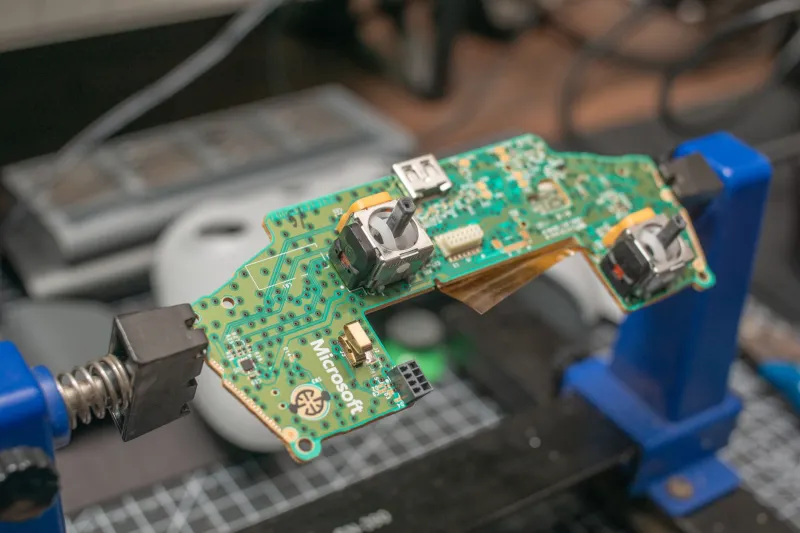
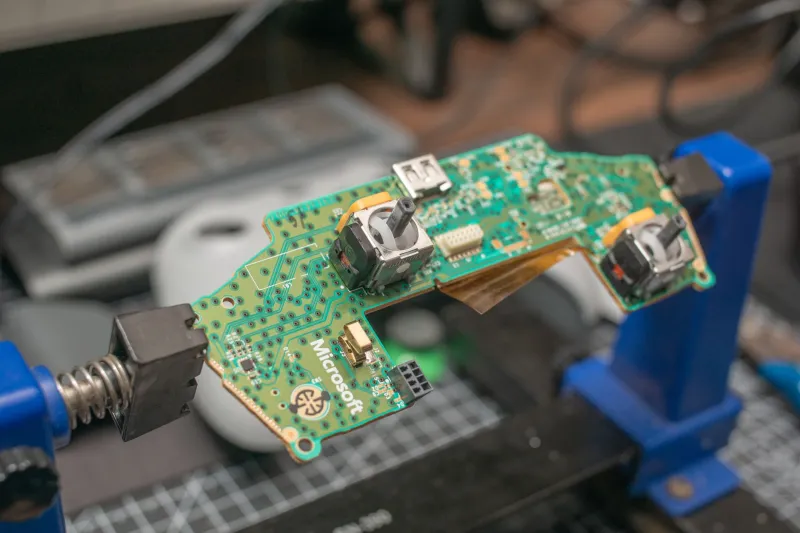
Then there's the repair issue. Modern consoles are increasingly difficult to fix through official channels. Manufacturer repair programs are expensive, slow, and often result in data loss. Third-party repair shops get threatened with legal action. And the hardware itself is sometimes designed to resist unauthorized tinkering — batteries glued in, screws that require proprietary tools, software that bricks the device if it detects unapproved components.
"Planned obsolescence is real," says Derek, a hardware technician in Phoenix who runs in-person modding workshops out of a local makerspace. "These companies want you buying a new unit every few years. The repair movement and the mod community are two sides of the same coin. We're both saying: no, this thing still works, and we're going to keep it working."
The Legal Gray Zone
It would be dishonest not to acknowledge the legal complexity here. Modding exists in genuinely murky territory under U.S. law. The Digital Millennium Copyright Act makes it illegal to circumvent certain copy protection measures, even on hardware you own. Manufacturers have used this and similar laws to pursue legal action against modders and repair shops.
The community is well aware of this. Most tutorial creators are careful to frame their content around personal use, preservation, and interoperability rather than piracy. The right-to-repair movement has also made legal headway in recent years, with several states passing or considering legislation that would protect consumers' ability to repair their own devices — including electronics.
"There's a difference between modding your console to run homebrew apps and ripping games to sell," Priya points out. "The community is pretty clear about that line. We're not here to help people steal. We're here to help people use what they own."
The Electronic Frontier Foundation and other digital rights organizations have increasingly backed the repair and modding communities, arguing that the ability to modify personal devices is a fundamental aspect of ownership. That legal and advocacy support has given some modders more confidence to operate openly.
Digital Literacy as Resistance
For a lot of people in these communities, this is about more than just getting a game to run. It's about understanding the technology that increasingly shapes daily life — and refusing to be entirely passive about it.
"Every time someone successfully installs custom firmware or replaces a battery that a manufacturer said couldn't be replaced, they've learned something real," Derek says. "They understand their device better. They're less dependent on a corporation to make decisions for them. That's genuinely valuable."
There's also a preservation angle that connects deeply to gaming culture's broader interest in history. Modded consoles can run software from decades past, access game libraries that no longer exist on official platforms, and keep hardware alive well beyond its commercial lifespan. For collectors and historians, that's not a fringe concern — it's central to the mission of keeping gaming's past accessible.
Some community members frame it explicitly in terms of cultural ownership. The games and hardware that shaped American gaming culture belong to the players who grew up with them, not just the companies that produced them. Keeping that history playable feels, to a lot of folks, like a responsibility.
Getting In
If you're curious about getting started, the community is more welcoming than you might expect. Most modding wikis have beginner sections. YouTube has thousands of hours of tutorial content. Discord servers dedicated to specific consoles — the Nintendo Switch modding scene is particularly active — are easy to find and generally happy to answer questions.
The tools required vary by project. Some mods are purely software-based and require nothing more than a computer and a USB cable. Others involve soldering, which has its own learning curve but is very much a teachable skill. Makerspaces and community workshops in many cities offer soldering classes and equipment access for low or no cost.
"Start with something you're not scared to mess up," Marcus advises. "I started with an old Game Boy Advance. Worst case, I brick a twenty-dollar device. Best case, I learn something and end up with a handheld that plays games it was never supposed to play. There's no bad outcome."
His PS4, by the way, runs great now.