Borrow, Play, Return: The Neighborhood Game Libraries Quietly Closing the Access Gap
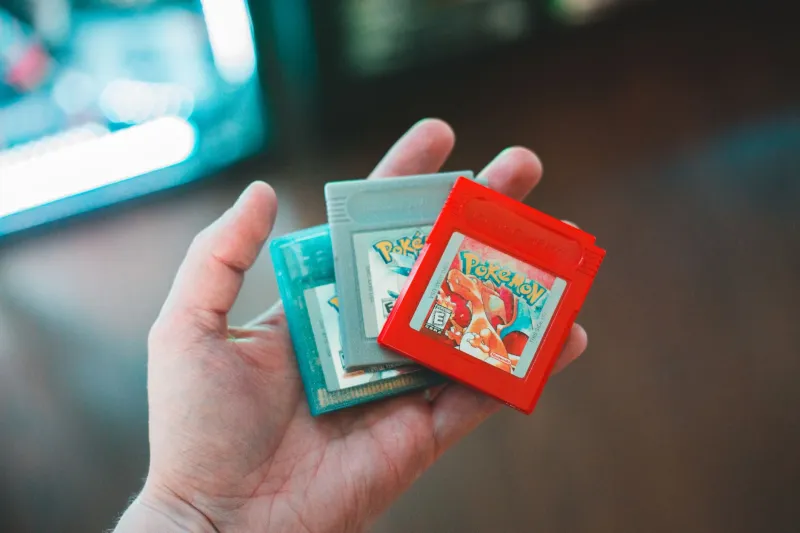
There's a particular kind of frustration that comes with watching a game you've wanted to try for months sit behind a $70 price tag you just can't justify. Maybe it's a dense RPG that'll take sixty hours to finish. Maybe it's a quirky indie title that looks interesting but not that interesting. Either way, the math doesn't work out, and the game stays unplayed.
A growing number of communities around the country have decided that's a solvable problem — and the solution looks a lot like the public library system your town already has, just stocked with cartridges instead of paperbacks.
What a Game Library Actually Looks Like
Forget the mental image of a dusty card catalog and fluorescent lighting. Modern community game libraries run the full spectrum. Some operate out of existing public library branches, tucking a few shelves of games alongside the DVD and audiobook collections. Others are entirely volunteer-run, living inside community centers, maker spaces, or even someone's finished basement with a lot of shelving.
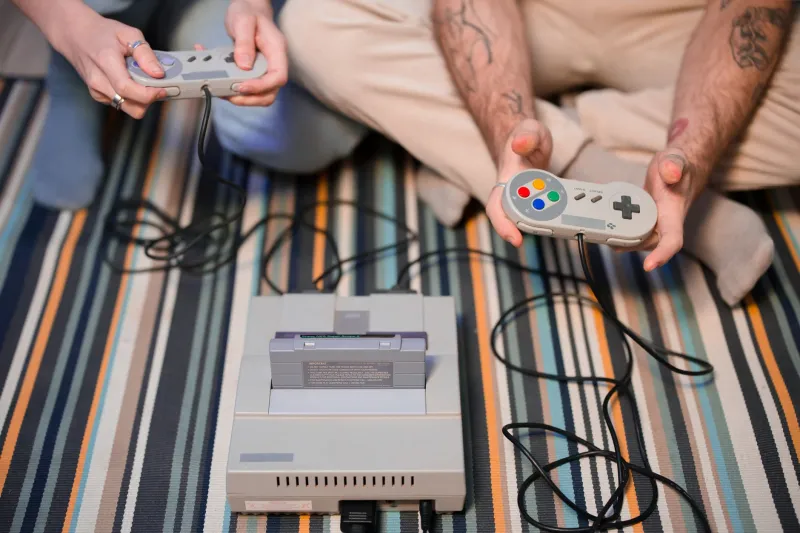
The catalog tends to reflect whoever built it. A library started by a collector in their forties might lean heavy on retro hardware — Super Nintendo, Genesis, original PlayStation — while one organized by a college gaming club could be stacked with current-gen titles, board games, and tabletop RPG sourcebooks. The best ones try to cover everything, building a kind of cross-generational archive that lets a ten-year-old try Chrono Trigger the same week a thirty-year-old borrows Hades for the first time.
Checkout systems vary just as much. Some programs piggyback on existing library software, using the same barcode scanners and account systems that track book loans. Others run entirely on spreadsheets, honor systems, and a group chat. A few have built custom tools — simple web apps that let members browse the catalog, put titles on hold, and log their returns from their phones.
The Licensing Tangle Nobody Warned Them About
Here's where things get complicated. Physical media — actual cartridges, discs, and boxes — exists in a legal gray zone that most game-lending operations navigate carefully. The first-sale doctrine, the same legal principle that lets used bookstores and video rental shops exist, generally allows someone who legitimately owns a copy of a game to lend or resell it. That's the legal foundation most of these libraries stand on.
But it's not bulletproof, and the gaming industry has spent years pushing toward digital distribution models that sidestep the whole issue. When a game only exists as a download code or a license tied to an account, there's nothing physical to lend. That's a real and growing problem for game libraries trying to keep up with modern releases.
Some communities have responded by focusing almost exclusively on physical media, treating their collections as preservation projects as much as lending programs. Others have started partnering with indie developers directly — reaching out to small studios and asking, sometimes successfully, for permission to include their games in community lending programs. A handful of indie devs have been genuinely enthusiastic about it, seeing it as a way to get their work in front of players who might never have taken a chance otherwise.
The bigger publishers? That conversation is a lot harder to have.
Who These Libraries Are Actually For
Spend time talking to the people who run these programs and a few common threads emerge pretty fast. A lot of them started because they noticed someone in their community getting left out.
Families with kids are a big part of the picture. Gaming is expensive when you're buying for multiple people, and children have a well-documented tendency to become obsessed with a game for three weeks and then never touch it again. Being able to borrow before committing to a purchase changes the calculus entirely.
Older adults getting back into gaming after a long gap are another group that shows up repeatedly. Someone who played games in the early nineties, stepped away for two decades, and now wants to explore what they missed faces a genuinely overwhelming backlog. A lending library with knowledgeable volunteers is a much friendlier entry point than scrolling through a digital storefront with thousands of options and no guidance.
And then there's the straightforward economic reality: a lot of people just don't have the disposable income to keep pace with a hobby that launches major titles at $60 to $70 a pop. Game subscription services have tried to address this, but they require monthly fees, exclude huge chunks of gaming history, and can yank titles from their catalogs without warning. A physical lending library doesn't do any of that.
The Preservation Angle
Something interesting happens when you build a lending library focused on physical media: you end up doing preservation work whether you planned to or not.
Cartridges and discs don't last forever, but they last a lot longer than digital storefronts. Games get delisted, companies shut down, licenses expire, and suddenly a title that was available for purchase yesterday simply stops existing in any accessible form. A physical copy sitting on a shelf in a community library is immune to all of that. It just keeps working.
Some of the more organized programs have started thinking explicitly in preservation terms, cataloging not just the games themselves but the hardware needed to play them, variant versions, and regional releases. A few have connected with larger preservation networks, sharing information about what they have and coordinating to fill gaps in each other's collections.
It's a small-scale effort compared to the scope of the problem — decades of games are disappearing faster than any volunteer network can track — but it's something. And it's happening at the community level, driven by people who genuinely care about this stuff, which tends to produce results that top-down institutional efforts miss.
Starting One Where You Live
If any of this sounds like something your community needs, the barrier to entry is lower than you might think. The core requirements are modest: a physical space, some donated or purchased games, a checkout system of some kind, and at least a couple of people willing to staff it consistently.
Existing public libraries are often the easiest partner to approach — many are actively looking for ways to expand their programming and attract new patrons, and a game-lending component is a concrete, manageable addition. Community centers, maker spaces, and gaming clubs are other natural homes.
The collections tend to grow fast once word gets out. Collectors with duplicates, parents whose kids have outgrown their games, adults downsizing their physical media — all of them are potential donors once they know a library exists to receive what they're clearing out.
The harder work is the ongoing maintenance: keeping track of what's been borrowed, handling damaged or unreturned items, staying current enough to be useful while honoring the retro material that makes the collection special. None of it is glamorous. All of it matters.
Gaming has always been more fun when more people get to play. These libraries are just making that a little more literal.